what it would be like to live on other planets
(CNN)Earth is the only planet we know of so far to host life, but it may non be the best identify for life when compared with "superhabitable" planets, according to a new study.
And every bit scientists search for other planets outside of our solar system, called exoplanets, that could host life, planets much like Earth may non be the best respond.
"We are and so focused on finding a mirror prototype of Earth that we may overlook a planet that is even more well suited for life," said Dirk Schulze-Makuch, lead report writer and professor for astrobiology and planetary habitability at Washington State Academy, in an email to CNN. The written report published in the periodical Astrobiology on Monday.
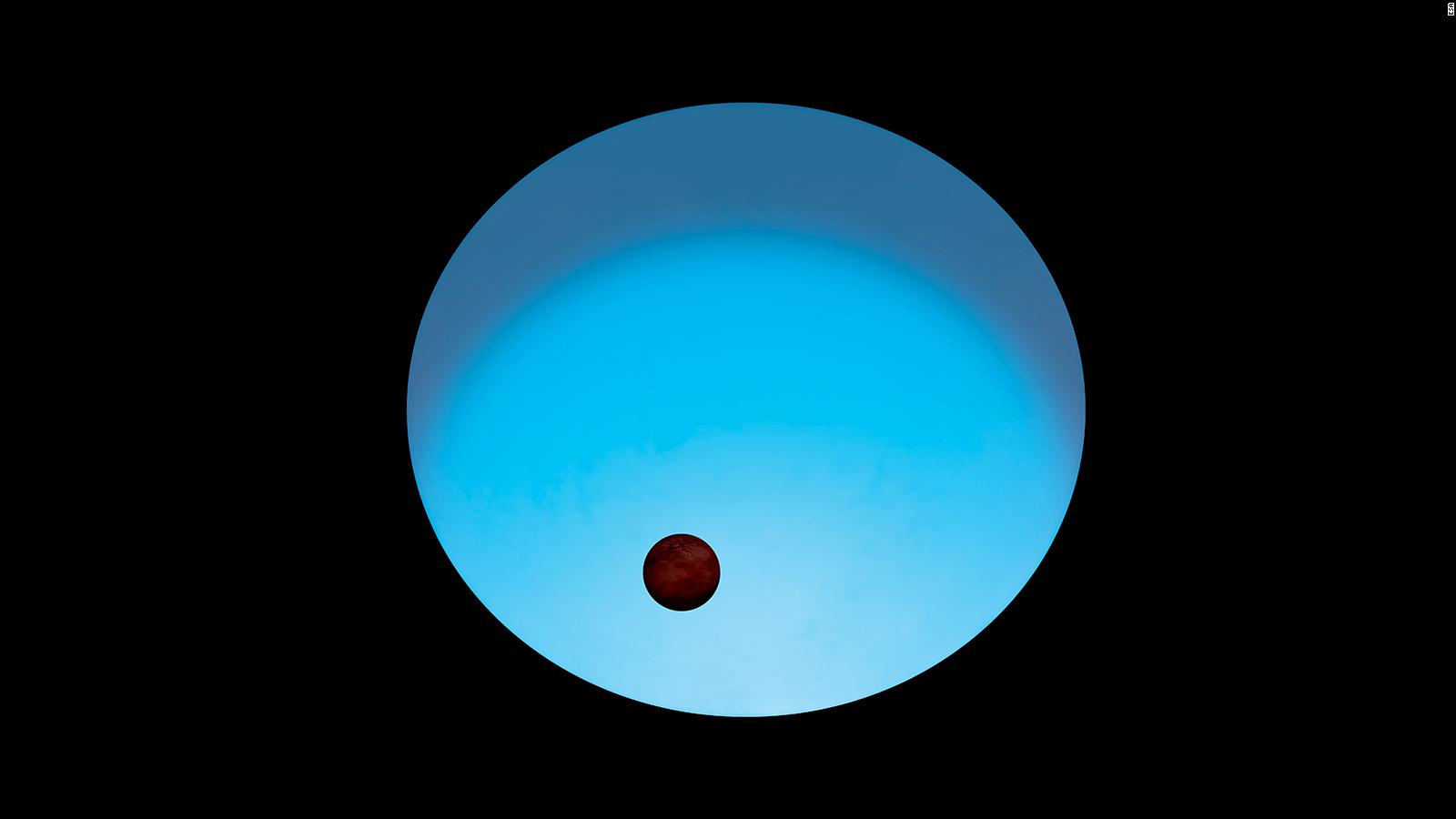
In the new study, Schulze-Makuch and his coauthors identified 24 exoplanets and exoplanet candidates (planets that accept not been positively confirmed as exoplanets). They are all more 100 light-years abroad, that could exist contenders for superhabitable planets with conditions more suitable for life than Earth.
However, the authors caution that this does not mean they have confirmed that life exists on these planets. Instead, information technology means that these planets could have conditions that are conducive to life.
"Nosotros caution that while nosotros search for superhabitable planets, that doesn´t mean that they necessarily comprise life (or even complex life)," Schulze-Makuch said. "A planet can exist habitable or superhabitable only uninhabited. This has to practice with the natural history of the planet. At that place could have been a cataclysm (like a nearby Supernova explosion)."
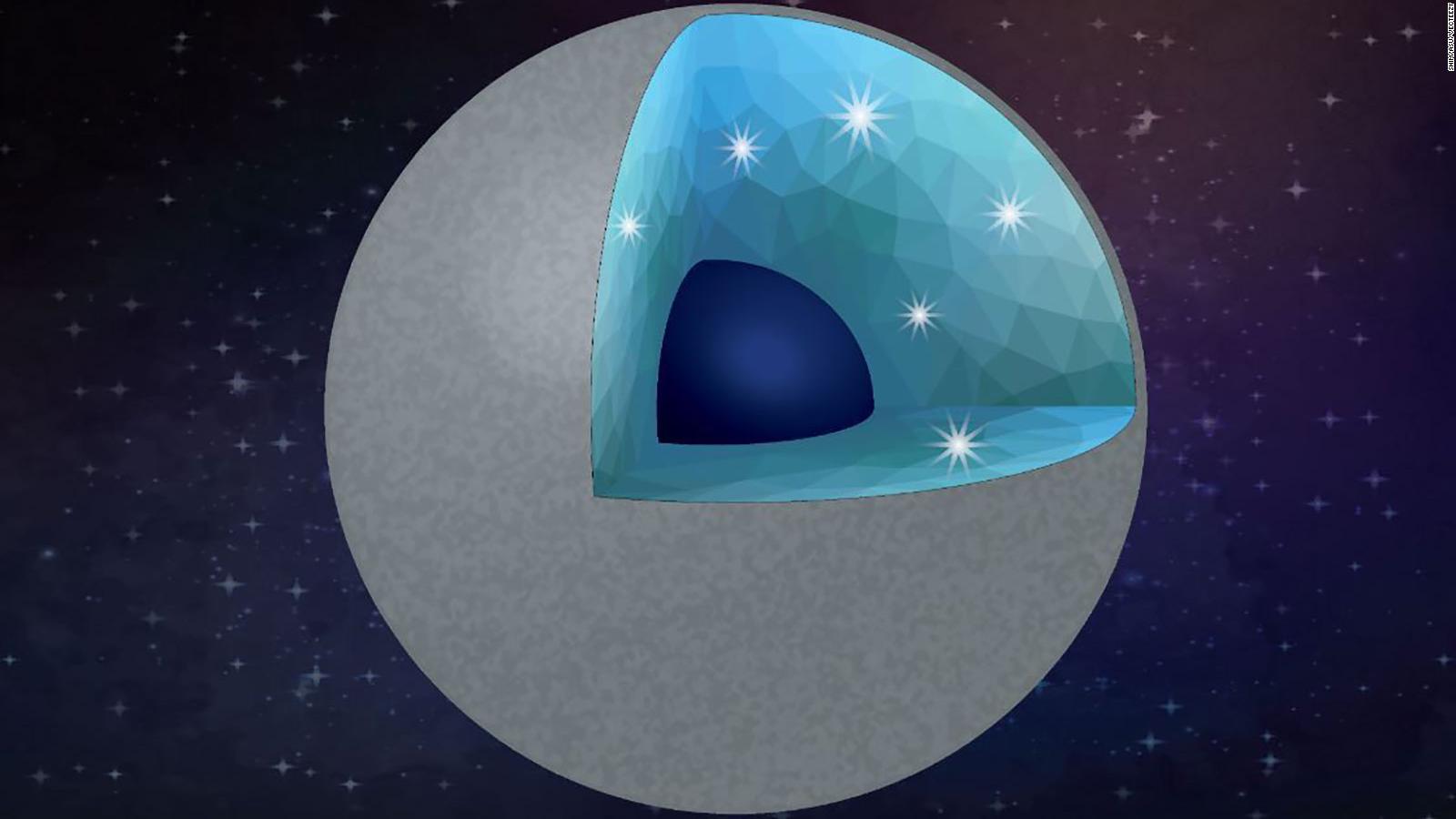
Schulze-Makuch identifies a superhabitable planet as "any planet that has more biomass and biodiversity than our current Earth." Essentially, it would be slightly older, bigger, warmer and wetter than Earth, he said.
"The habitability of our planet has besides inverse throughout our natural history," he said. "For example, Earth in the Carboniferous Fourth dimension Period with all the swamps and rainforest (that produced most of our electric current gas and oil) was probable more than habitable -- superhabitable using our definition -- than Earth currently."
Stars with longer lifespans
I factor of superhabitability may really be the blazon of star the planets orbit. The researchers identify a K dwarf star every bit the virtually ideal in the study. These stars take a longer lifespan than our sun, then life could potentially persist and thrive on planets in orbit around them.
Thousand dwarf stars are cooler, less massive and even less luminous than our sun, simply they tin persist for 20 billion to 70 billion years. Planets orbiting these stars would exist older and allow time for life to reach the complexity we take on Globe.
Globe is about four.5 billion years quondam. But in the study, the researchers advise that five to eight billion years is actually the "sweetness spot" for life to course and evolve.
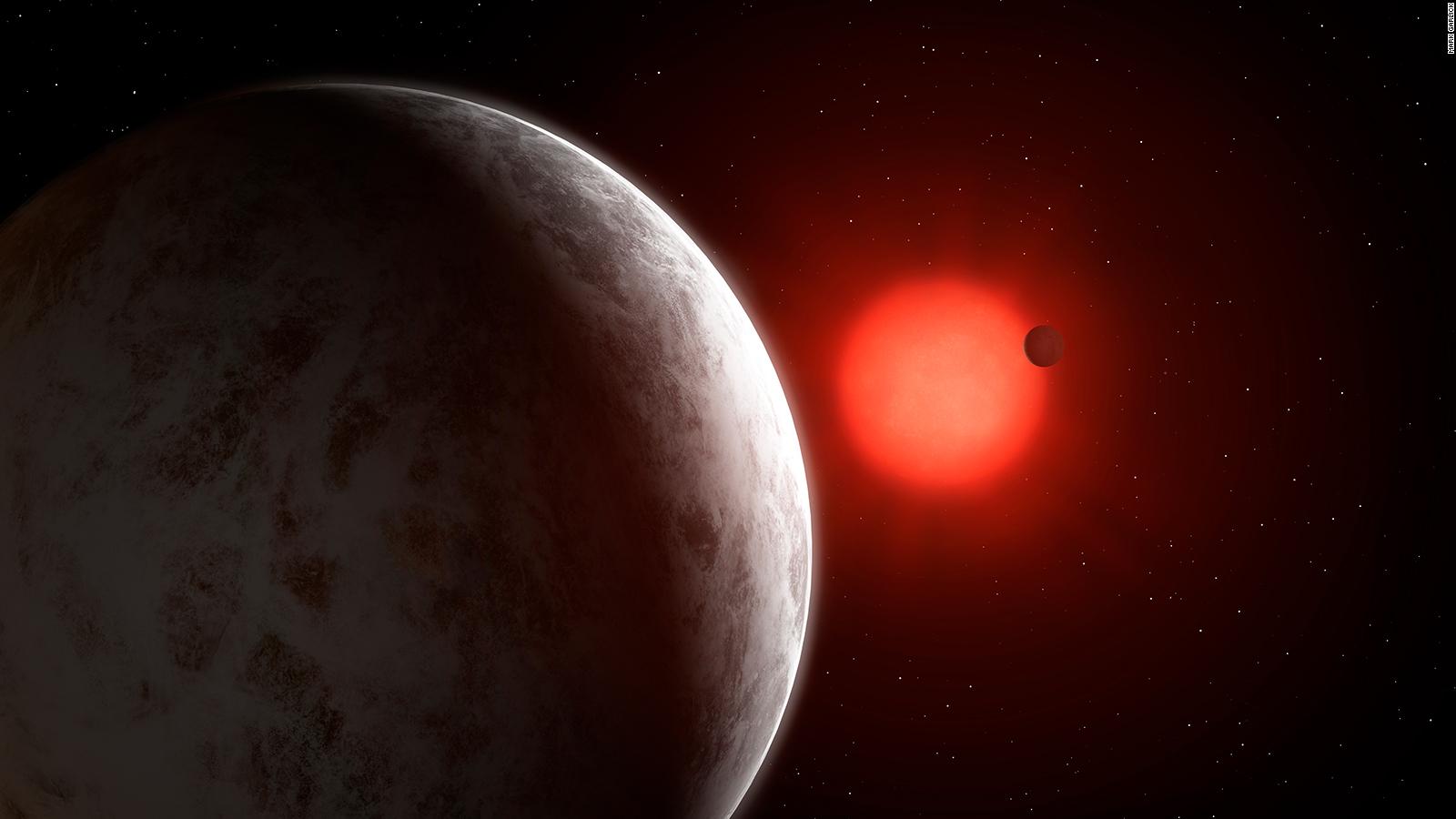
Our sunday has a lifespan of less than 10 billion years, and it took well-nigh iv billion of those before any kind of complex life evolved on Earth. And stars similar to our dominicus could actually die earlier complex life could form on planets orbiting them.
Other criteria was used to decide superhabitability out of the 4,500 known exoplanets.
The planets were likely terrestrial, or rocky like World, and orbiting in the habitable zone of their star -- meaning the distance from the star where liquid water could stably remain on the surface of the exoplanet.
They looked at size and mass and estimated that a planet almost 1.5 times Earth's mass would be able to maintain interior heating for longer than Earth and have a stronger gravity that would enable information technology to hold on to its temper longer.

More than h2o content on a warmer planet, about eight degrees Fahrenheit warmer than Earth, may be more suitable to life, besides. The written report authors compared this preference for warmth and wet to the biodiversity in Earth's tropical rainforests -- especially when compared with areas that are colder and more dry out.
Of these criteria, Schulze-Makuch thinks the most important is for the planet to be hosted by a K dwarf star, and for the planet to be slightly older than World.
While a planet could be superhabitable and only meet some of the criteria without checking all of the boxes, the authors caution there is a lot more information that just tin can't be evaluated about these planets.
Even "a slightly higher temperature could make things worse in times of habitability," like extreme deserts on World, Schulze-Makuch warned.
Finding a superhabitable earth
None of the 24 candidates meet all of the criteria laid out in the study considering scientists simply don't know enough almost them to be able to tell. One of them, called KOI 5715.01, has 4 of the desirable aspects for a superhabitable planet.
It's located in the Cygnus constellation nearly iii,000 light-years from Earth. The star is 77% the radius of our lord's day and 76% the mass of it, with just 34% of our lord's day's luminosity. And the star is virtually five.five billion years old, or one billion years older than our sun.
The authors provide a bit of a written report card for the star it orbits in the study based on what they know, which they admit isn't much.
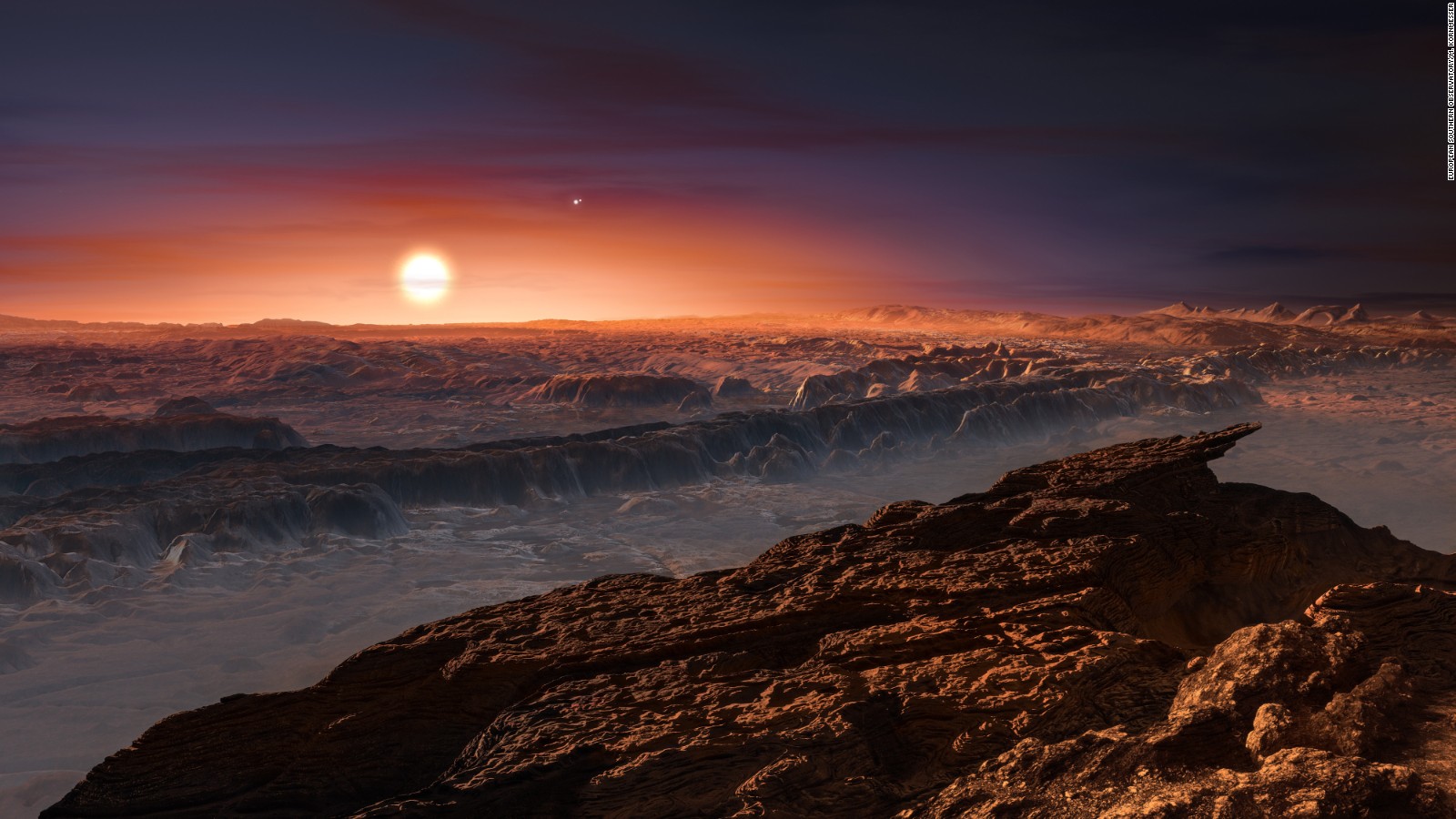
"The point is that these preliminary candidates for possibly being habitable or superhabitable should be selected and prioritized for further investigations," Schulze-Makuch said. "As well, we take to improve empathise what makes a planet habitable and how biospheres collaborate with their natural surround."
But to fully evaluate these candidates, Schulze-Makuch sees a need for probes or landing on the planet -- but all of these are and so far abroad, that isn't likely. Nevertheless, better remote observations with future space telescopes could help focus in more than on the details of these planets.
"It'southward sometimes difficult to convey this principle of superhabitable planets because we think nosotros take the best planet," Schulze-Makuch said. "We have a great number of circuitous and diverse lifeforms, and many that can survive in extreme environments. It is good to have adjustable life, but that doesn't mean that nosotros accept the all-time of everything."
Astronomer and planetary scientist Sara Seager sees this report as "a great resources for all to use every bit a reference." Seager, also a professor at the Massachusetts Plant of Engineering, was non involved with the study.
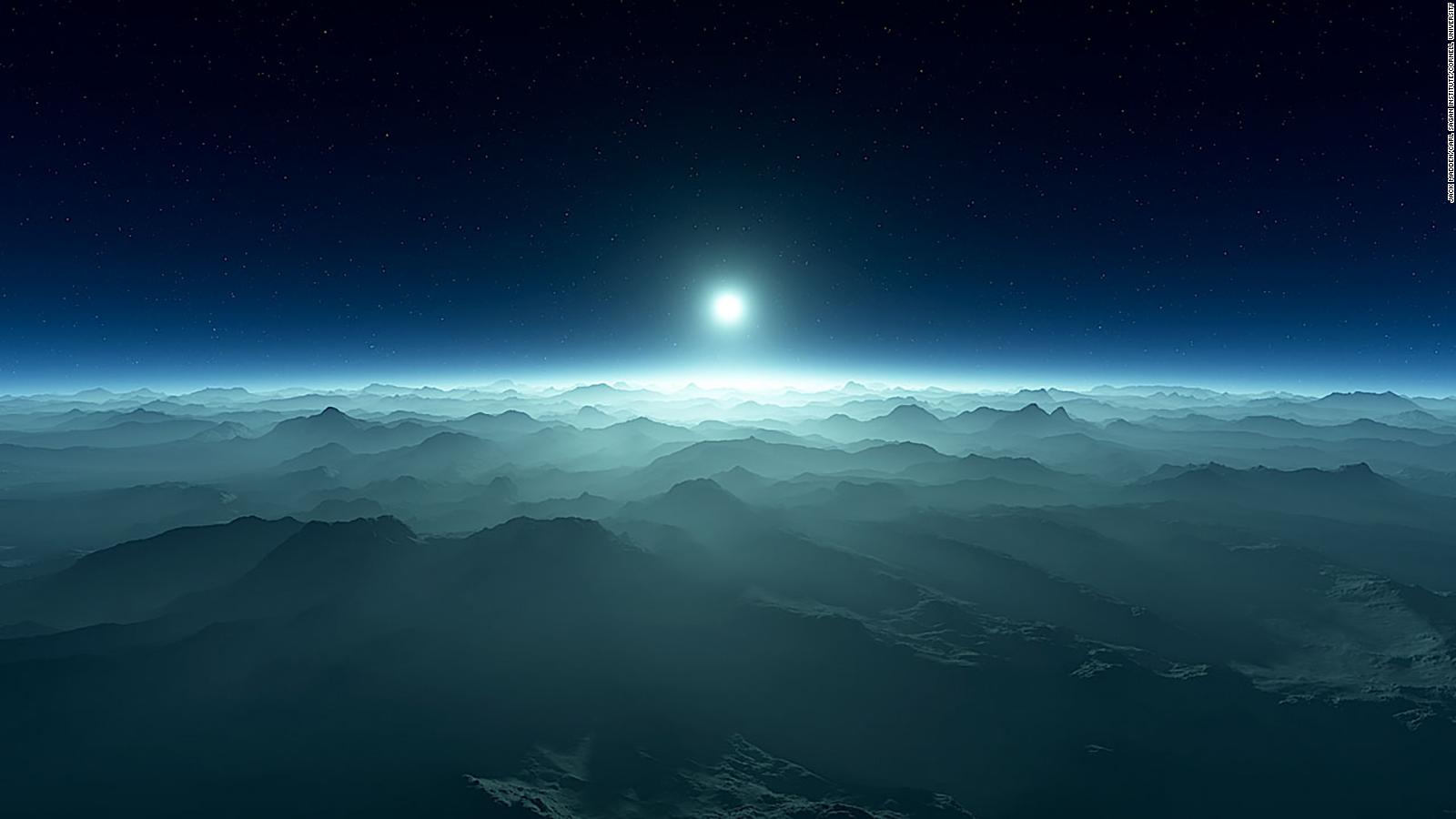
"Information technology'southward a really nice description of all the ingredients for a habitable world," Seager said in an e-mail to CNN. "I love the concept of superhabitable exoplanets. The concept is a good i, similar those Olympic athletes amidst united states of america humans."
And Seager agrees with what the authors say in the determination to their paper.
"Observations of habitable or super habitable exoplanets are still so exceedingly challenging that nature will ultimately dictate which targets we can followup with our next generation telescopes," Seager said.
"That is follow up to meet if the planet is really habitable, if it has water vapor in its atmosphere (indicative of surface water on a rocky planet), potentially measure out the planet'due south and search for biosignature gases.
"So although the sample list of exoplanets is quite long, none are within 100 light-years and none are suitable for follow up observations with our side by side generation telescopes."
Source: https://www.cnn.com/2020/10/07/world/superhabitable-exoplanets-scn-trnd/index.html
Postar um comentário for "what it would be like to live on other planets"